ADU Construction Cost vs. ROI in Los Angeles Neighborhoods
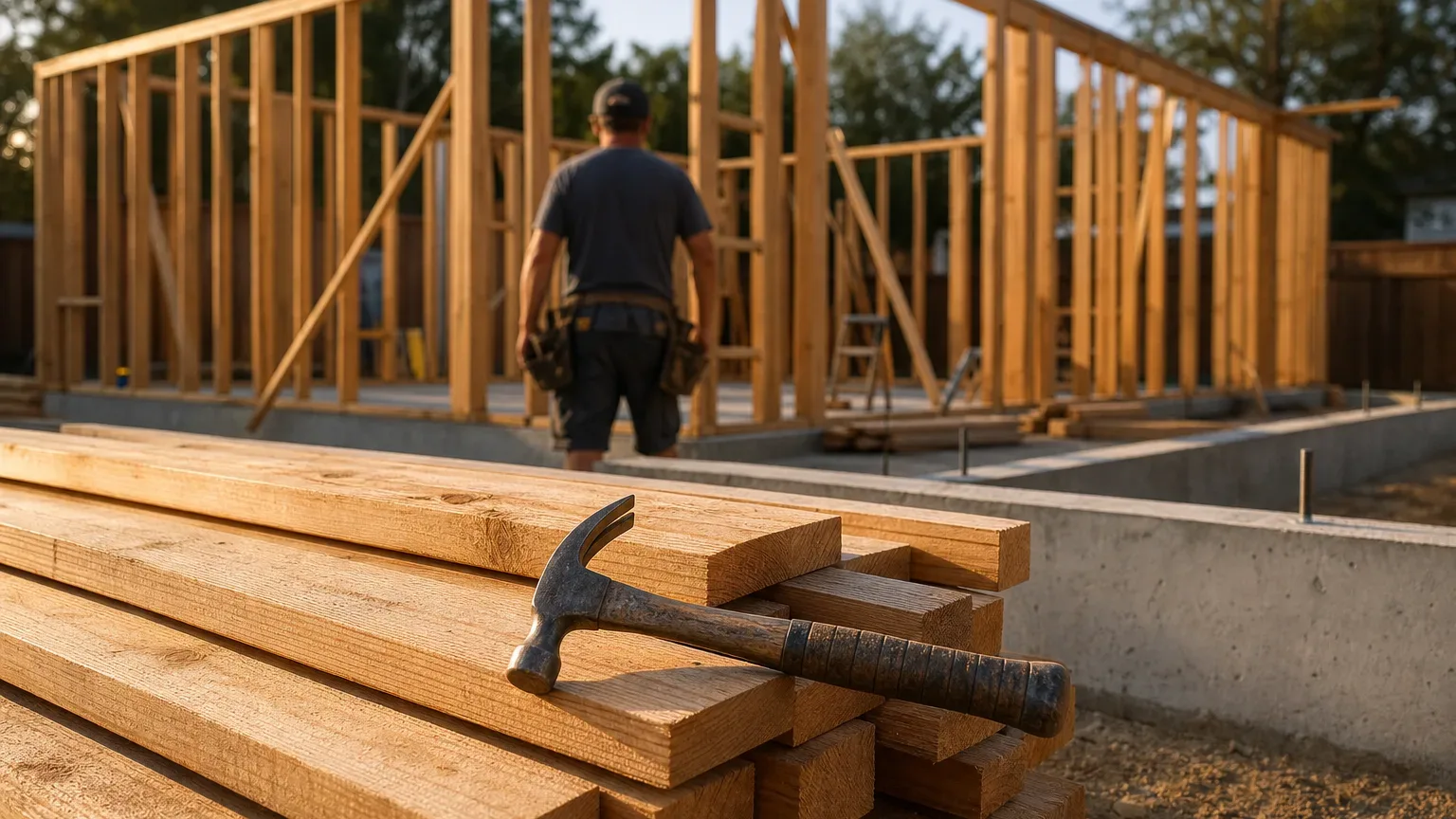
Building an accessory dwelling unit (ADU) in Los Angeles is a significant capital commitment, and whether it pays off depends on where you build, what you build, and how you finance it. Construction costs, rental demand, and neighborhood appreciation rates vary enough across the city that the same project can generate very different returns in Boyle Heights versus Brentwood. Working through the numbers before breaking ground is the difference between a profitable long-term asset and a costly surprise.
What Does It Cost to Build an ADU in Los Angeles?
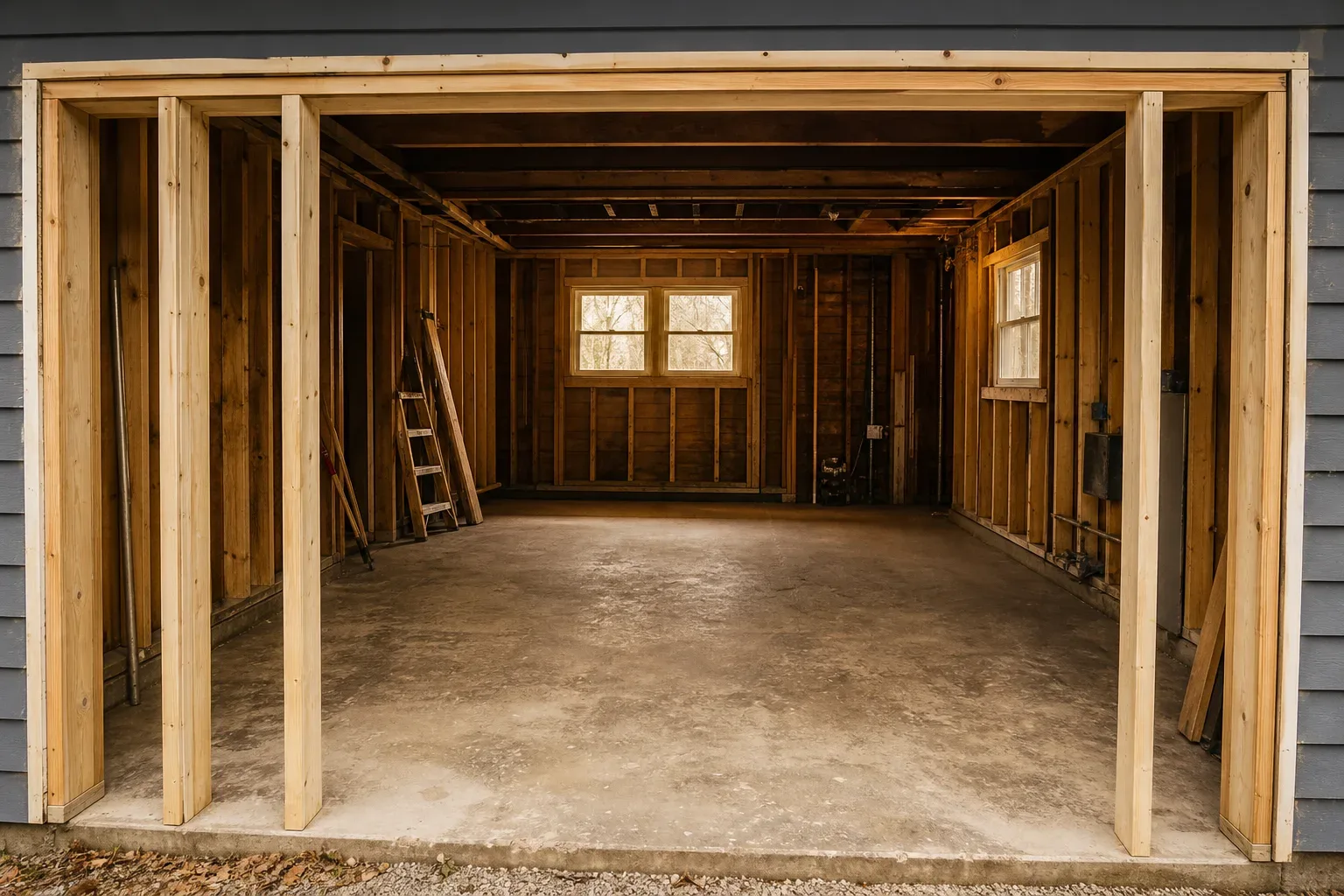
A fully permitted, site-built detached ADU in Los Angeles typically runs $300–$500 per square foot, putting a standard 400–800 sq ft unit in the $150,000–$350,000 range once you account for design, permits, and construction. Garage conversion ADUs are considerably cheaper, with most projects landing between $80,000 and $150,000, because the shell already exists. A junior ADU (JADU), which is carved from interior space inside the primary home, generally costs $40,000–$80,000 and is the most budget-friendly path available.
Prefab or modular ADUs sit between those two extremes. Total installed cost, covering the unit purchase, site preparation, foundation, utility hookups, and permits, usually falls in the $200,000–$320,000 range. That predictability appeals to homeowners who want a fixed price early in the planning process.
Design and Permit Fees
Architectural and design fees for a custom detached ADU typically run $8,000–$20,000 depending on complexity. Using a pre-approved standard plan can reduce that cost and compress the timeline significantly. The Los Angeles Department of Building and Safety (LADBS) charges permit fees that generally fall between $10,000 and $25,000 for a typical ADU project, covering plan check, the building permit, and associated city fees. ADUs under 750 sq ft are exempt from local agency impact fees under California state law, which removes one meaningful cost variable for smaller units.
How Long Does Permitting Take?
Standard LADBS plan check review takes 4–12 weeks. Projects using LADBS-approved standard ADU plans can move through review in as little as 1–4 weeks. That compressed timeline is one of the strongest practical arguments for choosing a pre-approved plan, particularly in neighborhoods where rental demand is high and every vacant month is lost income.
Rental Income by Los Angeles Neighborhood
Monthly rental income for an ADU in Los Angeles ranges from $1,800 to $3,500, but that spread reflects genuine neighborhood-level differences. A finished one-bedroom ADU in Silver Lake or Mar Vista will command rents near the top of that range. The same unit size in a lower-demand corridor further from the Westside or major transit lines often sits closer to the floor.
Location also affects vacancy rates and tenant quality. High-walkability neighborhoods near Metro lines, universities, or employment centers tend to produce more consistent occupancy. That reliability matters more to your actual return than peak rent, because a unit sitting empty for two months erases the income advantage of a higher asking price.
Estimating Annual Gross Income
At $1,800 per month, annual gross income is $21,600. At $3,500, it reaches $42,000. Most Los Angeles ADU owners realistically land somewhere in the middle depending on their neighborhood and unit finish level. Subtracting property taxes, insurance, maintenance reserves, and any management fees brings net income down, but even conservative projections generally support the investment in higher-demand zip codes.

Does an ADU Add Property Value?
Yes, a permitted ADU increases property value in Los Angeles, though the amount varies significantly by neighborhood and income potential. Appraisers increasingly use income-based valuation methods when a legal, permitted rental unit is present on the property. The income the unit generates directly influences the appraised value added, which means higher-rent neighborhoods see larger value bumps.
Owners in Culver City, Pasadena, and similar high-demand markets often find that the appraised value increase from a new ADU offsets a substantial portion of the construction cost. That equity gain compounds over time as rents and home values rise. It also strengthens refinancing and home equity borrowing options, giving homeowners access to capital without selling.
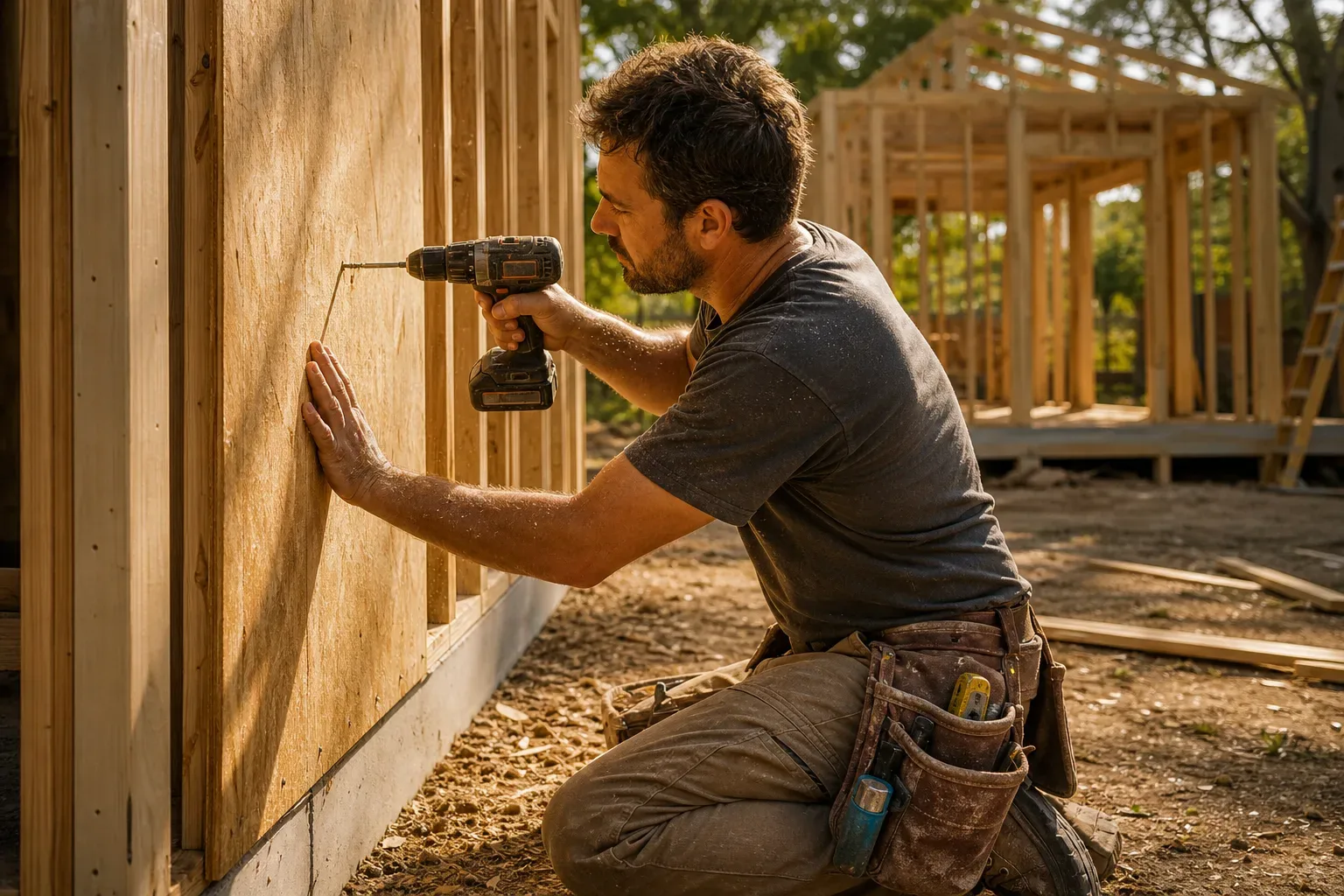
ADU Cost vs. ROI by Neighborhood Type
Los Angeles neighborhoods fall into a few rough tiers when it comes to ADU returns.
High-Demand Areas
Neighborhoods like Santa Monica-adjacent areas, Los Feliz, and the South Bay beach cities sit at the high end of the rent range and also see strong appreciation. Construction costs are the same or higher because contractor labor is in demand, but rental income and property value gains typically justify the outlay. Payback periods in these markets often approach the lower end of the typical 8–15 year range.
Mid-Market Neighborhoods
Areas like Eagle Rock, Atwater Village, and Lawndale represent solid middle ground. Rents are competitive, demand is growing, and land values support continued appreciation. A garage conversion ADU or prefab unit can be a particularly efficient choice here, keeping total project cost below $200,000 while generating reliable monthly income. Payback periods in these areas tend to fall in the middle of the 8–15 year range.
Lower-Rent Corridors
Some neighborhoods in the eastern San Fernando Valley or parts of South Los Angeles have lower rents that make the math harder for a full detached ADU. A JADU conversion in the $40,000–$80,000 range can still pencil out, since lower construction cost compensates for more modest rental income. The 8–15 year payback estimate still broadly applies, but owners should model the lower end of the rent range conservatively.
Sizing and Rules That Affect Your Return
California law sets the maximum size for a detached ADU at 1,200 sq ft. JADUs are capped at 500 sq ft. Los Angeles requires a minimum 4-foot setback from rear and side property lines for a detached ADU, which affects buildable footprint on smaller lots.
Los Angeles does not currently enforce an owner-occupancy requirement for ADUs, meaning you are not required to live on the property to build or rent one. That gives investors and homeowners alike the flexibility to generate income without being on-site landlords.
Is the ROI Realistic?
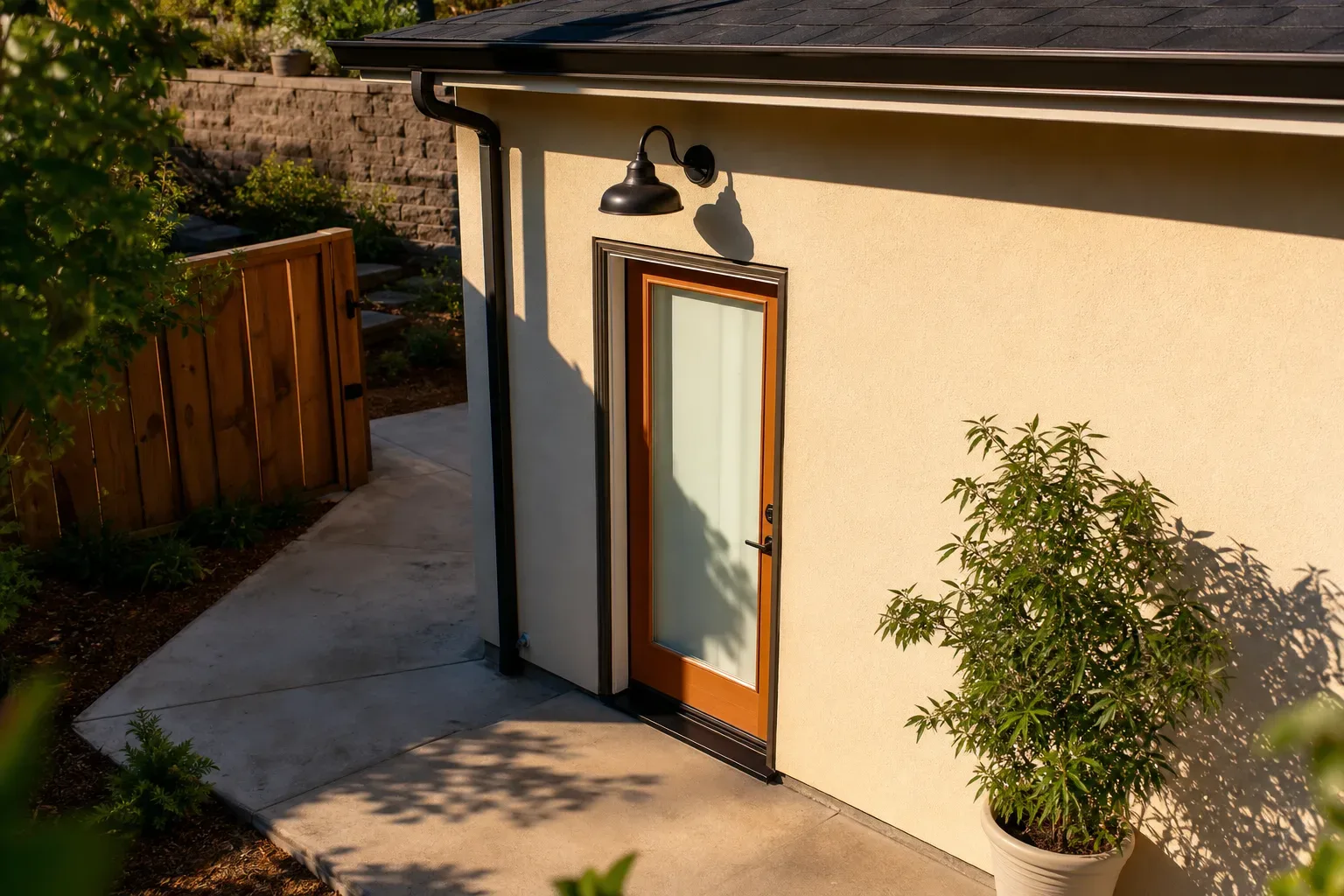
The typical payback period for an ADU in Los Angeles is 8–15 years based on rental income offsetting total project cost. That range is wide because it is genuinely sensitive to construction cost, neighborhood rent levels, and financing terms. A homeowner who uses a construction-to-permanent loan at a favorable rate and rents quickly will recover costs faster than one who carries expensive bridge financing or experiences extended vacancy.
The payback estimate also excludes the property value contribution, which is a real but harder-to-quantify benefit until a refinance or sale crystallizes it. Owners who plan to hold their property long-term often find that the combination of income and equity growth makes ADU construction one of the highest-returning improvements available on a Los Angeles single-family lot.
Frequently Asked Questions
What Is the Typical Payback Period for an ADU in Los Angeles?
The typical payback period is 8–15 years, based on rental income offsetting total project cost. The timeline varies by neighborhood rent levels, construction cost, and how quickly the unit is occupied.
How Much Rental Income Can an ADU Generate in Los Angeles?
Monthly rental income for an ADU in Los Angeles ranges from $1,800 to $3,500 depending on neighborhood, unit size, and finish level. High-demand areas closer to the Westside or major employment centers tend to reach the upper end of that range.
Does a Permitted ADU Increase Home Value in Los Angeles?
Yes. Appraisers frequently use income-based valuation when a legal, permitted ADU is present, meaning the rental income the unit can generate directly influences how much value is added to the property's assessed worth.
What Is the Cheapest Type of ADU to Build in Los Angeles?
A junior ADU (JADU) is the least expensive option, typically costing $40,000–$80,000 because it converts existing interior space inside the primary home rather than adding new construction. Garage conversion ADUs are the next most affordable at $80,000–$150,000.
Are There Impact Fee Exemptions for ADUs in Los Angeles?
Yes. Under California state law, ADUs under 750 sq ft are exempt from local agency impact fees. This exemption can meaningfully reduce the total project cost for smaller units, so many homeowners size their ADU strategically to stay below that threshold.