Hidden ADU Costs Los Angeles Homeowners Often Overlook
Most Los Angeles homeowners start planning an accessory dwelling unit (ADU) with a solid number in mind, then watch that number grow. The gap between an initial estimate and the final invoice is rarely random. Specific, predictable cost categories get missed in the early stages, and each one can add thousands of dollars to a project budget.
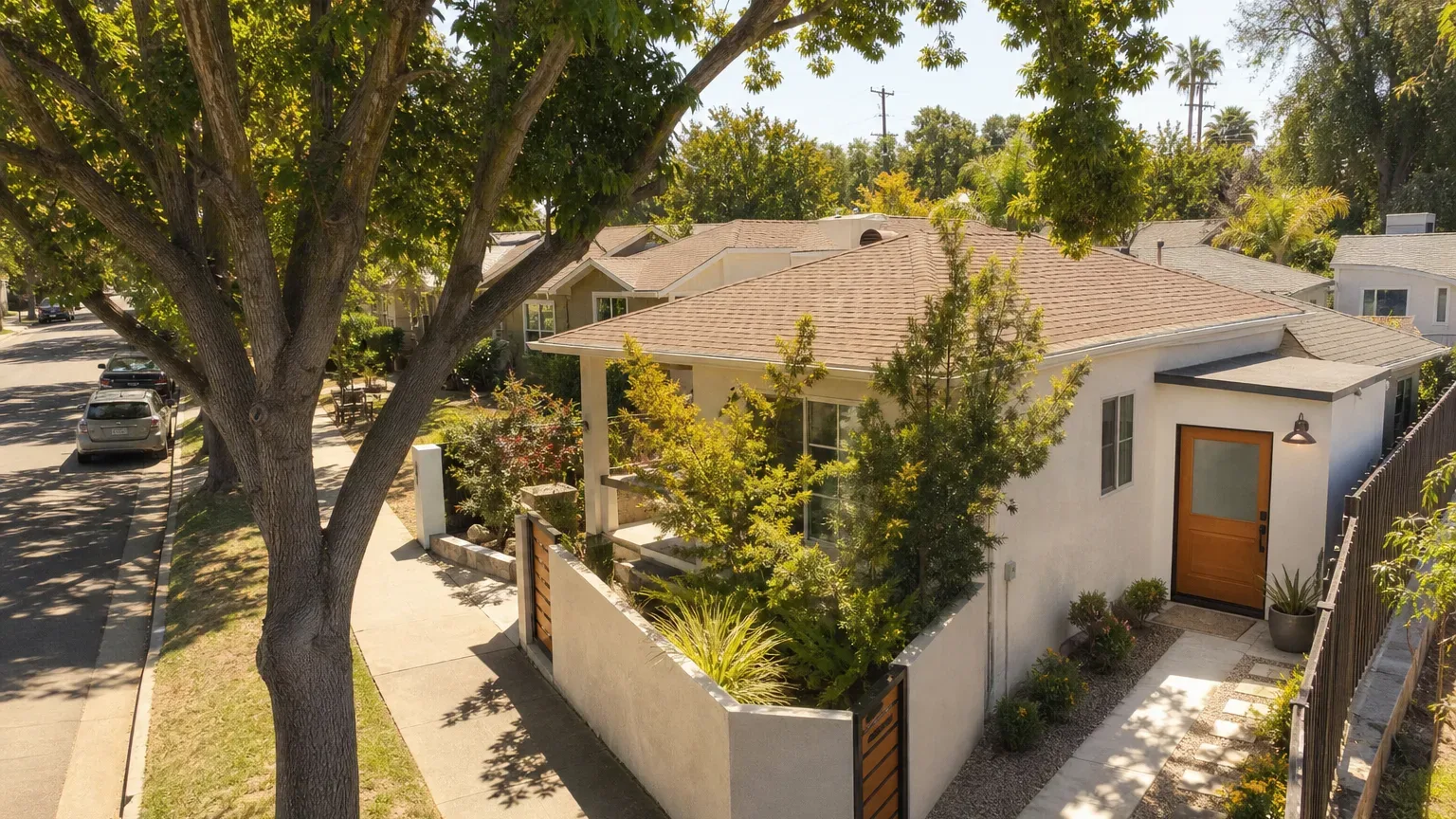
Why ADU Budgets in Los Angeles Run Over
Los Angeles sits on complex terrain with aging utility infrastructure, strict seismic standards, and one of the more layered permitting environments in California. Those conditions create cost exposure that a simple per-square-foot estimate does not capture. A detached ADU in LA typically runs $300–$500 per sq ft for construction alone, putting most projects between $150,000 and $350,000 total. The hidden costs below layer on top of that baseline.
Soil and Geotechnical Reports
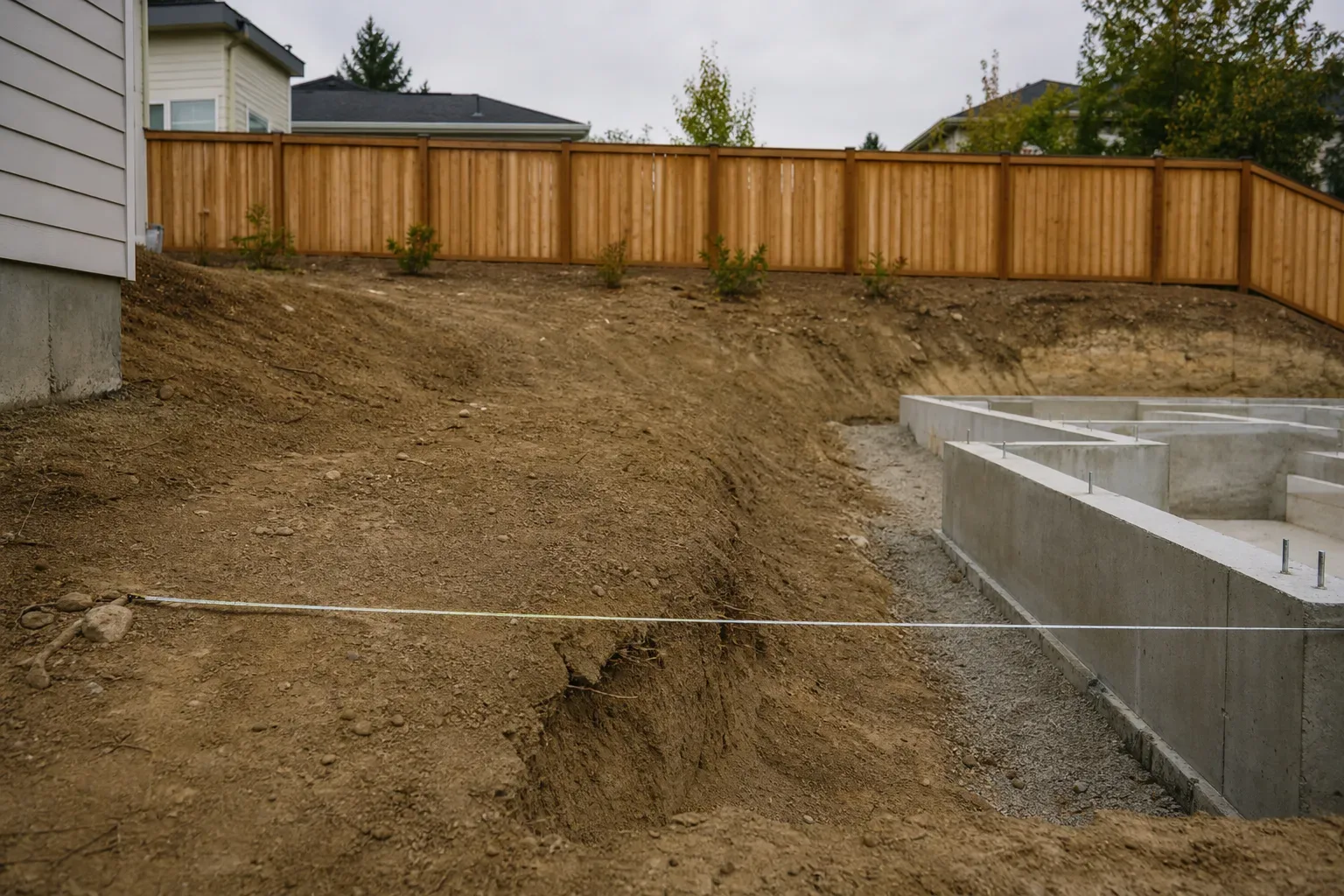
The Los Angeles Department of Building and Safety (LADBS) often requires a soils report before approving plans for a new detached structure. Hillside lots, expansive clay soils, and properties near fault zones almost always trigger this requirement. A standard geotechnical report runs $2,500–$6,000 depending on the number of borings and lab tests required.
If the report reveals soft soil or fill material, you may need a engineered foundation rather than a standard slab, adding another $8,000–$20,000 or more. Few homeowners budget for this at the outset. Getting a preliminary soils assessment before finalizing your design can prevent an expensive mid-project redesign.
Utility Connection and Upgrade Costs
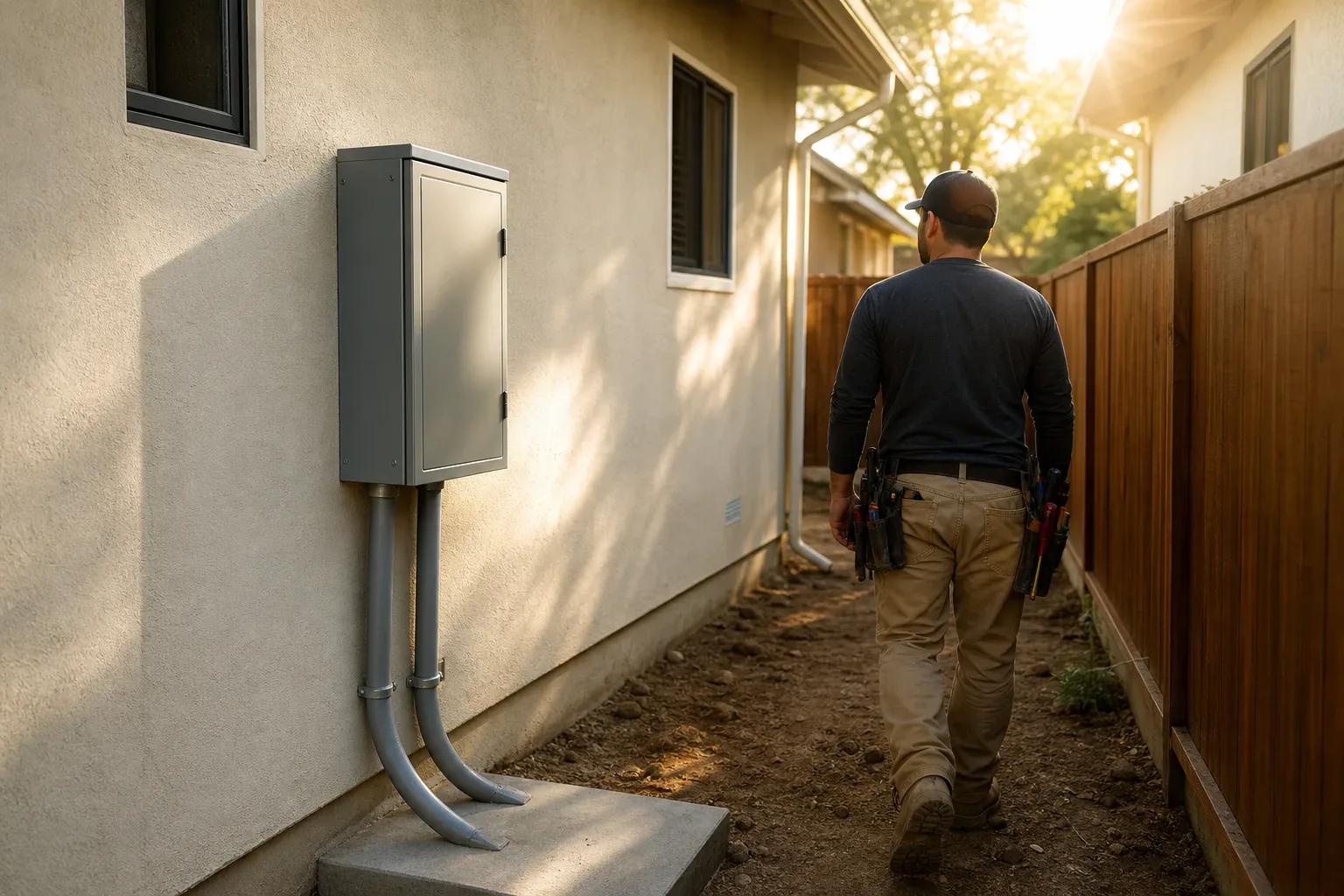
Connecting a new ADU to existing water, sewer, gas, and electrical service is rarely as simple as running a line. LADBS and the Los Angeles Department of Water and Power (LADWP) treat a detached ADU as a new load, which can expose undersized panels or aging laterals.
Electrical Panel Upgrades
If your main electrical panel is already near capacity, a 200-amp upgrade or a subpanel installation for the ADU runs $3,000–$8,000. LADWP may also require a new meter, which adds coordination time and fees.
Sewer and Water Laterals
Older properties in areas like Silver Lake, Boyle Heights, or Mid-City sometimes have clay sewer laterals that need replacement before a new structure can connect. Lateral replacements range from $5,000 to $15,000 depending on depth and distance to the city main. A plumber's camera inspection before design begins costs roughly $200–$400 and can surface this issue early.
Gas Line Extensions
Running new gas service from the meter to a detached ADU averages $1,500–$4,000. If you opt for an all-electric ADU, you avoid this cost but may face a larger electrical upgrade.

Title 24 Energy Compliance and Special Inspections
California's Title 24 energy code applies to new ADUs. Compliance documentation is typically prepared by an energy consultant at a cost of $500–$1,500. That is a modest line item, but it is one that homeowners frequently miss when assembling early budgets.
Special inspections are a separate expense. LADBS requires third-party inspectors for certain structural elements like epoxy anchors, reinforced masonry, and concrete strength testing. Fees for a full project range from $1,500 to $4,000 and must be paid before the final inspection sign-off.
Plan Check, Permit, and City Fees
ADU permit fees in Los Angeles typically total $10,000–$25,000, covering the LADBS plan check, building permit, and associated city fees. ADUs under 750 sq ft are exempt from local agency impact fees under California state law, which removes a significant cost category for smaller units.
For units 750 sq ft and above, school fees, park fees, and other impact fees can add $5,000–$15,000 depending on size and location. Plan check timelines also affect project cost indirectly: standard LADBS review runs 4–12 weeks, while pre-approved standard plans can reduce that to 1–4 weeks, compressing the period you carry construction financing.
Design Fees and Structural Engineering
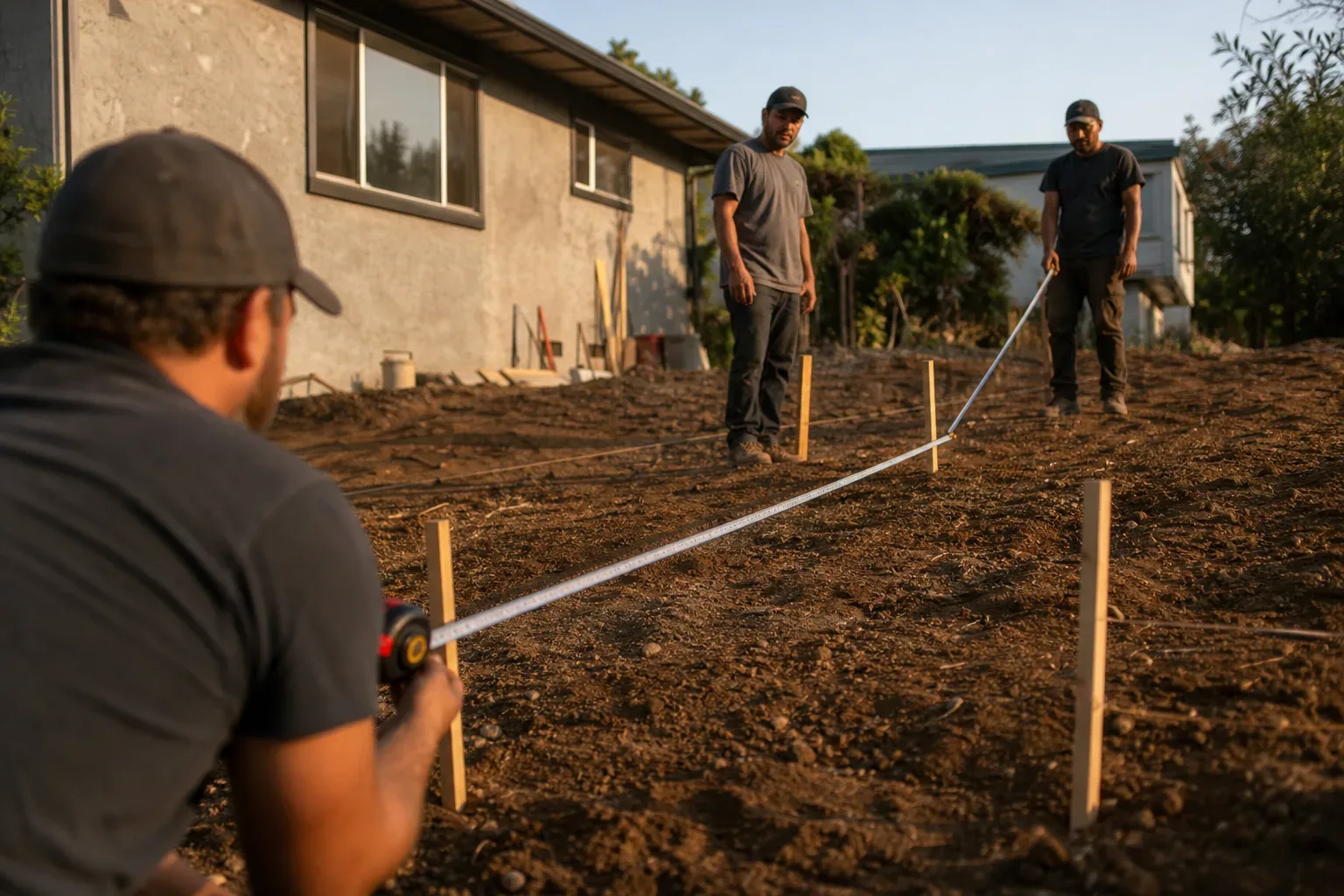
Architectural and design fees for a custom ADU in Los Angeles run $8,000–$20,000. That range covers basic drafting through full architectural services, but it does not always include structural engineering, which is billed separately at $2,500–$6,000 for a typical detached unit.
If your site has a slope, retaining walls, or unusual setback conditions, structural costs climb. Some homeowners reduce design fees by using LADBS pre-approved standard plans, which carry lower design costs and faster plan check timelines.
Site Preparation and Grading
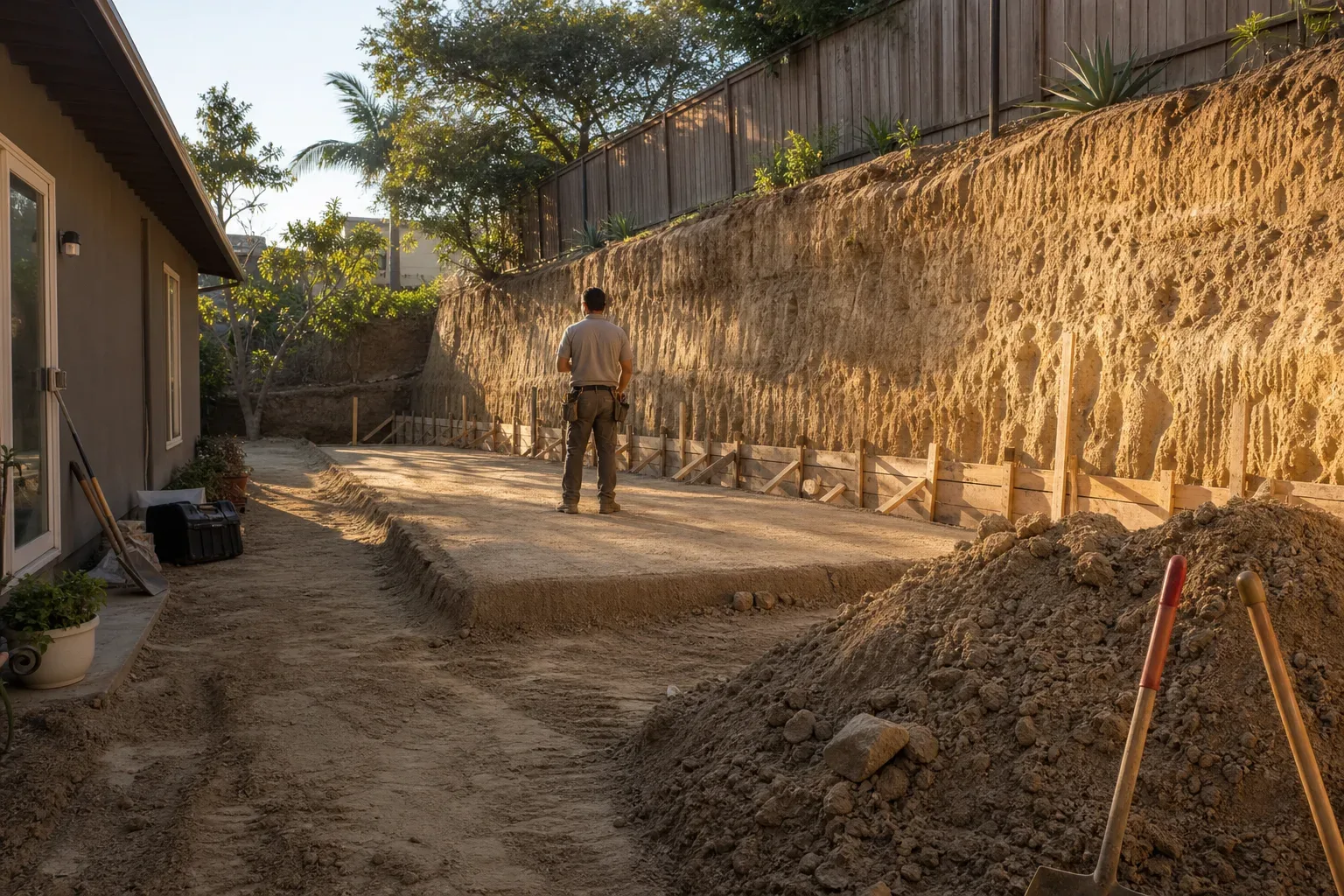
Clearing, grading, and compacting a pad for a detached ADU can run $5,000–$15,000 on a relatively flat lot. Steep or heavily landscaped properties in neighborhoods like Eagle Rock, Los Feliz, or the Hollywood Hills can push grading costs above $30,000 when retaining walls are required.
Tree removal adds another variable. Protected species under LA's Tree Protection Ordinance require permits and sometimes replacement plantings, which can cost $2,000–$5,000 per tree.
Soft Costs That Accumulate Quietly
Construction Financing
Most ADU projects are financed through a construction loan, HELOC, or cash-out refinance. Construction loan interest during a 10–14 month build can add $8,000–$20,000 to total project cost depending on the loan amount and prevailing rates. That cost does not appear on any contractor bid.
Temporary Relocation
Garage conversion ADU projects, which typically run $80,000–$150,000, often require the homeowner to clear and relocate stored belongings. If parking is eliminated, monthly parking costs for displaced vehicles add up over a construction period.
Contingency
A 10–15% contingency reserve is standard practice on any construction project. For a $250,000 ADU, that is $25,000–$37,500 set aside for change orders, unforeseen conditions, and schedule-driven cost increases. Many homeowners skip this buffer and end up funding overruns from personal savings.
What This Means for Your Budget
The hidden ADU costs in Los Angeles are not exotic or unusual. Soil reports, utility upgrades, special inspections, and financing costs are standard features of the local construction environment. A realistic all-in budget includes a line item for each category before design begins.
For a standard 600 sq ft detached ADU, expect total project costs in the range of $200,000–$280,000 when soft costs, site work, and contingency are added to construction and design. That unit can generate $1,800–$3,500 per month in rental income in most LA neighborhoods, with a typical payback period of 8–15 years. Getting the full cost picture early makes that timeline easier to plan around.
Frequently Asked Questions
What Are the Most Commonly Overlooked Hidden ADU Costs in Los Angeles?
Soils reports, electrical panel upgrades, sewer lateral replacements, special inspections, and construction loan interest are the costs most frequently missed in early ADU budgets. Each can add thousands of dollars on top of the base construction estimate.
Do I Have to Pay Impact Fees for My ADU in Los Angeles?
ADUs under 750 sq ft are exempt from local agency impact fees under California state law. For ADUs at or above 750 sq ft, school fees, park fees, and similar charges can add $5,000–$15,000 depending on the unit's size and location.
How Much Do Utility Connections Typically Add to an ADU Project Cost?
Utility connection costs vary by property condition, but a realistic range is $5,000–$25,000 when you add electrical panel upgrades, sewer lateral work, and gas line extensions. Older properties in established LA neighborhoods are most likely to need lateral replacements or panel upgrades.
Is a Soils Report Always Required for a Detached ADU in Los Angeles?
LADBS requires a soils report on many detached ADU projects, particularly on hillside lots, properties with expansive clay soils, or sites near fault zones. A standard report costs $2,500–$6,000, and findings can require a more expensive engineered foundation.
How Much Should I Budget as a Contingency for an ADU Project?
A 10–15% contingency reserve is standard practice. On a $250,000 ADU project, that means setting aside $25,000–$37,500 to cover change orders, unforeseen site conditions, and any cost increases that arise during construction.