Los Angeles ADU Zoning Rules - What Every Homeowner Must Know
California state law, combined with Los Angeles municipal code, now permits accessory dwelling units (ADUs) on most residential lots in the city. That shift has opened real income potential for hundreds of thousands of homeowners who previously had no legal path to adding a second unit. Understanding the specific zoning rules that apply to your property is the essential first step before spending a dollar on design.
Which Zoning Designations Allow ADUs
Los Angeles allows ADUs on any lot zoned for single-family or multifamily residential use. That covers the R1, R2, RD, RS, and RE zones scattered across neighborhoods from Silver Lake to Chatsworth, plus RA (Residential Agriculture) lots in hillside areas. Commercially zoned parcels with an existing or proposed residential component may also qualify under certain circumstances.
State law passed in recent years effectively prohibits cities from banning ADUs outright in residential zones, so a denial based purely on zoning classification is rare. What matters more in practice is your specific lot's size, shape, existing structures, and access to utilities.
Key Size and Setback Rules
Maximum Square Footage
A detached ADU in Los Angeles can be up to 1,200 sq ft. A junior ADU (JADU), which is carved from interior space within the primary dwelling, is capped at 500 sq ft. These limits come directly from California state law and the City of Los Angeles code as of 2024; confirm current regulations with the Los Angeles Department of Building and Safety (LADBS) before finalizing plans.
Setbacks for Detached ADUs
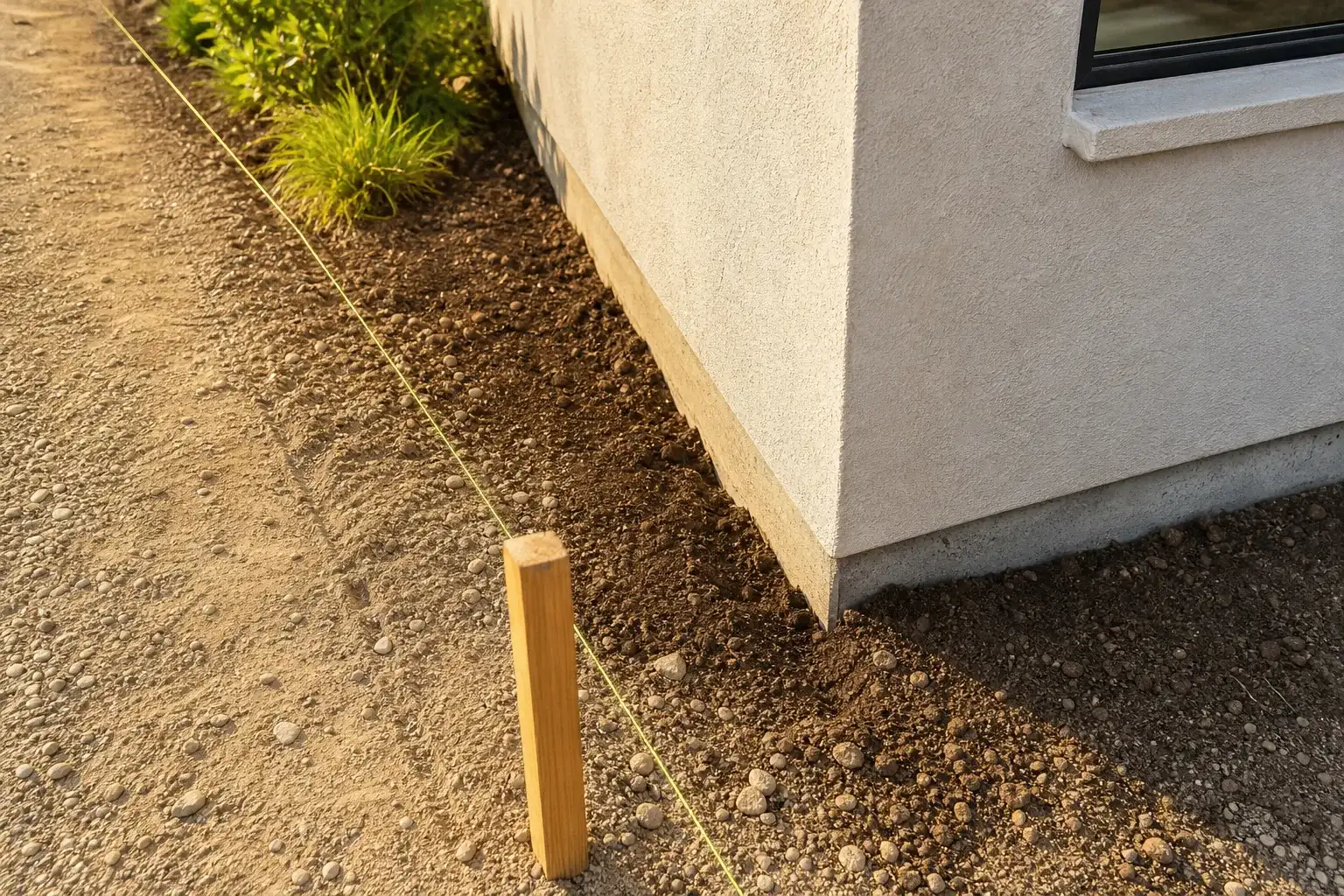
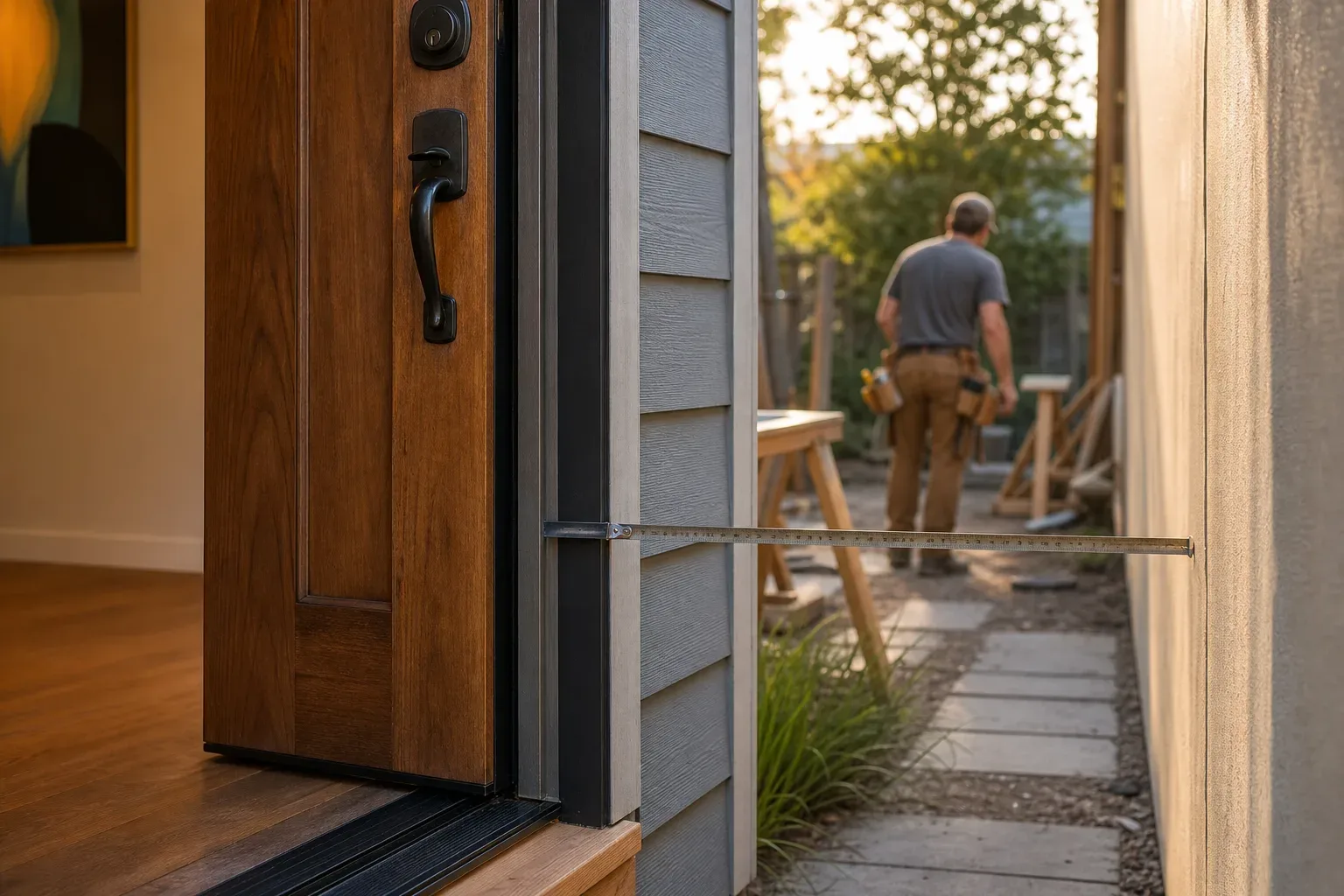
Detached ADUs must sit at least 4 feet from both the rear and side property lines. Front setbacks generally match the standard requirement for the primary dwelling in that zone, which varies by zoning designation. Height limits for detached ADUs are typically 16 feet for a single-story unit and up to 25 feet in some configurations where the ADU is attached to or above a garage.
One practical point: an ADU that replaces an existing permitted accessory structure, such as a detached garage, can often be built to the same footprint even if that footprint sits closer than 4 feet to the property line, as long as the exterior walls are not moved outward.
ADU Types and What the Rules Mean for Each
Detached ADUs
A fully detached ADU is an independent structure on the same lot as the primary home. Construction costs in Los Angeles run $300–$500 per sq ft, putting a typical 400–800 sq ft detached ADU in the $150,000–$350,000 range once design, permits, and construction are included. These units require their own electrical panel, plumbing connections, and mechanical systems.
Garage Conversion ADUs
Converting an existing detached garage into a garage conversion ADU sidesteps many setback restrictions because the existing structure's footprint is already established. Total project costs typically fall in the $80,000–$150,000 range, covering structural upgrades, mechanical, electrical, and plumbing work, and permits. This is often the fastest path to a legal unit for homeowners with an older detached garage.
Junior ADUs
A junior ADU (JADU) is built entirely within the walls of the primary residence, most commonly from a large bedroom or attached garage space. Total conversion cost typically falls between $40,000 and $80,000, making it the most accessible option for budget-conscious homeowners. JADUs must include a separate entrance from the exterior and an efficiency kitchen; a full bathroom can be shared with the primary dwelling.
The Permitting Process in Los Angeles
All ADU types require a building permit issued by LADBS. A complete submittal includes architectural plans prepared by a licensed designer or architect, a plot plan showing the property's setbacks and existing structures, and documentation of utility connections. Architectural and design fees in Los Angeles typically run $8,000–$20,000, depending on the complexity of the unit and whether the designer uses pre-approved plans.
Plan check turnaround at LADBS runs 4–12 weeks for a standard review. Using LADBS-approved standard ADU plans cuts that window to 1–4 weeks. Permit fees from LADBS, covering plan check, building permit, and associated city fees, generally total $10,000–$25,000. ADUs under 750 sq ft are exempt from local agency impact fees under California state law, which removes one of the larger cost variables for smaller units.
Owner-Occupancy and Rental Rules
Does Los Angeles Require the Owner to Live On-Site?
Los Angeles does not currently enforce an owner-occupancy requirement for ADUs. State law preempted local owner-occupancy rules, so you are not required to live in either the main house or the ADU in order to rent the ADU out. Confirm current status with LADBS as regulations do evolve.
Rental income for an ADU in Los Angeles typically runs $1,800–$3,500 per month, with the upper end of that range reflecting larger units in higher-demand neighborhoods like West Hollywood adjacent areas, Los Feliz, or the Westside. At that income level, most projects reach payback within 8–15 years.
Lot Coverage and Other Constraints
Beyond setbacks, lot coverage limits cap the percentage of the lot that can be covered by structures. In many R1 zones, total lot coverage, including the primary home, garage, and ADU, cannot exceed 40–50 percent of the lot area. Narrow lots in older neighborhoods can run up against this limit quickly, especially if the primary home already covers a large footprint.
Hillside lots face additional constraints. The City of Los Angeles Hillside Construction Regulations impose stricter grading and access requirements, and some hillside parcels require a geological or soils investigation before design work begins. That investigation adds cost and time before LADBS will accept a submittal.
Practical Steps Before You Design Anything
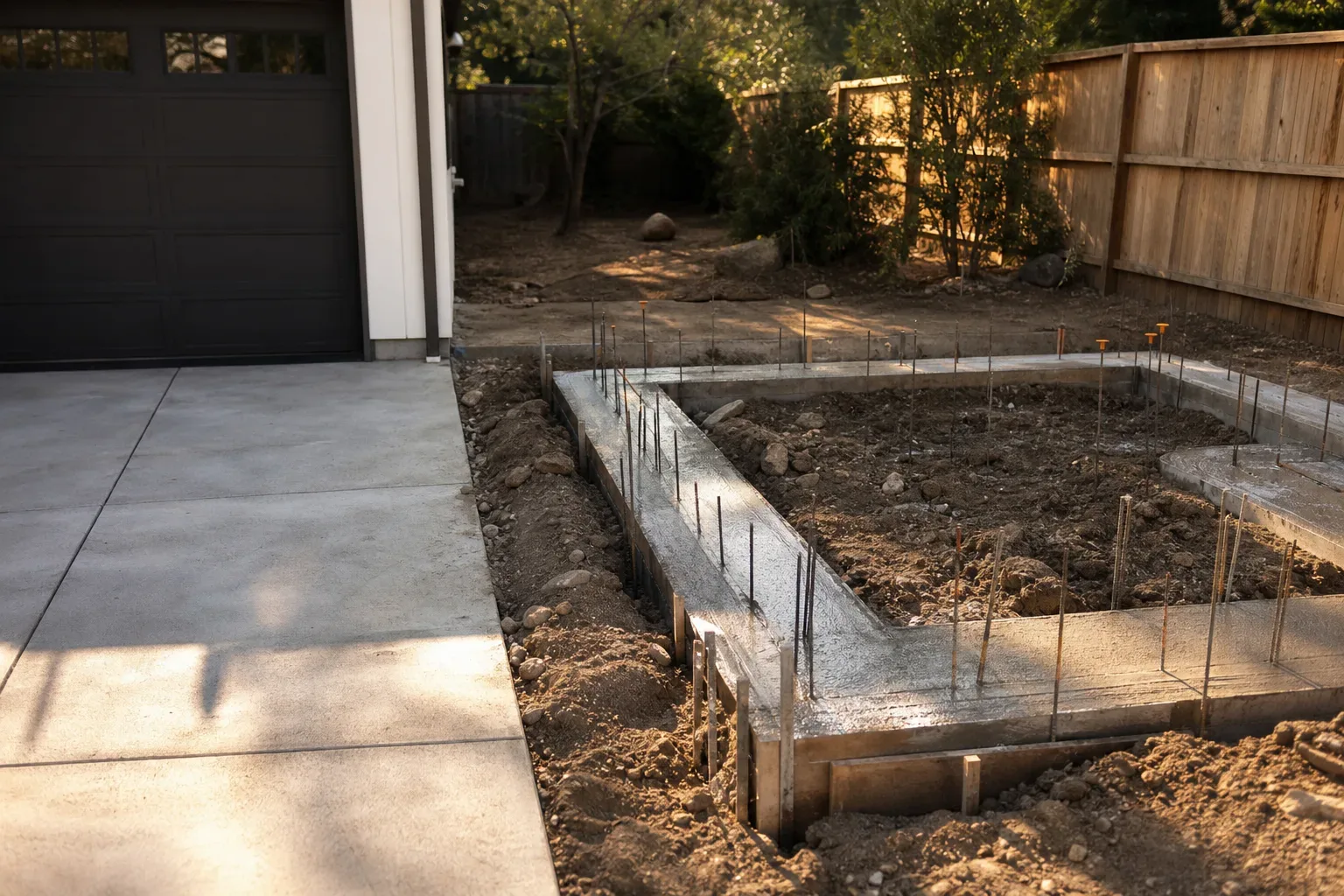
Pull the zoning and property information for your parcel using the LADBS Information System (ZIMAS). That free tool shows the zoning designation, lot dimensions, existing structure footprints, and any recorded restrictions like hillside designation or coastal zone overlap. Spending 20 minutes on ZIMAS before hiring a designer saves weeks of recalibration later.
Talk to two or three local designers or architects who have recent ADU approvals in your neighborhood. Los Angeles has dozens of firms that specialize in ADU permitting, and local experience with specific LADBS plan checkers matters. Prefab or modular ADU companies, whose total installed costs in Los Angeles run $200,000–$320,000 including site prep, foundations, utility connections, and permits, often include expedited plan check support as part of their service package.
Verify utility capacity early. LADBS approval does not guarantee that the existing sewer lateral, water meter, or electrical service panel can support an additional unit without upgrades. Utility upgrade costs vary significantly by property age and location, and discovering a required lateral replacement mid-project is a common source of budget overruns.
Frequently Asked Questions
Which Zoning Designations in Los Angeles Allow ADUs?
ADUs are permitted on lots zoned for single-family or multifamily residential use, including R1, R2, RD, RS, RE, and RA zones. California state law prevents cities from banning ADUs outright in residential zones, so most residential parcels in Los Angeles qualify.
What Is the Minimum Setback for a Detached ADU in Los Angeles?
A detached ADU must be set back at least 4 feet from the rear and side property lines. Front setbacks follow the standard requirement for the primary dwelling in that zoning designation, which varies across the city.
How Large Can an ADU Be in Los Angeles?
A detached ADU can be up to 1,200 sq ft. A junior ADU carved from existing interior space in the primary home is capped at 500 sq ft. These limits come from California state law and current City of Los Angeles code.
Do I Have to Live on the Property to Rent Out an ADU in Los Angeles?
No. Los Angeles does not currently enforce an owner-occupancy requirement for ADUs. State law preempted local rules on this point, so you can rent the ADU without living in the main house. Confirm current status with LADBS as rules can change.
Are There Impact Fee Exemptions for Smaller ADUs in Los Angeles?
Yes. ADUs under 750 sq ft are exempt from local agency impact fees under California state law. This exemption can reduce overall project costs significantly for smaller units, though standard LADBS permit fees of $10,000–$25,000 still apply.