Junior ADU (JADU) Rules in Los Angeles
What a Junior ADU Actually Is
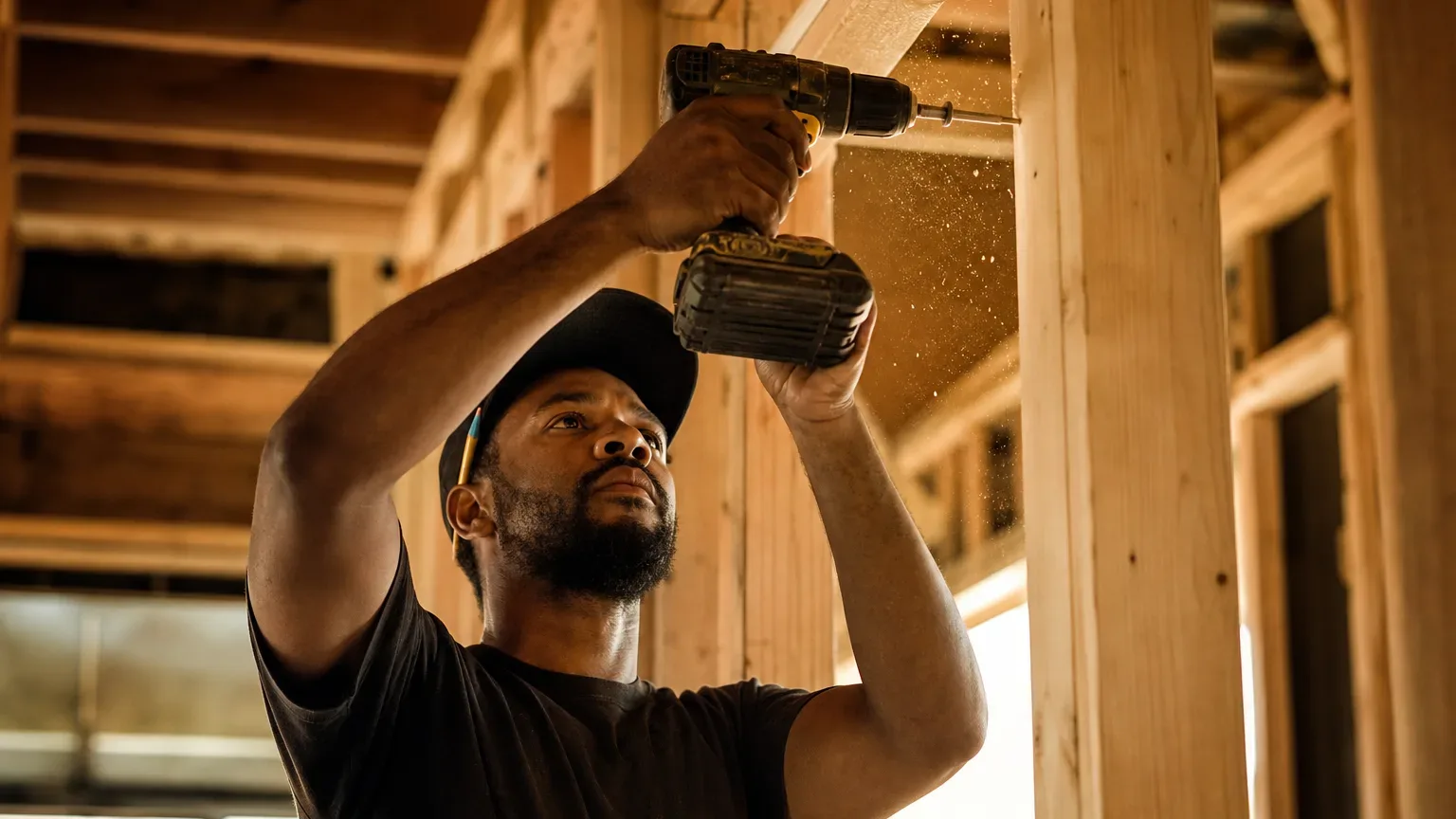
A junior accessory dwelling unit (JADU) is a small, self-contained living space carved from within the walls of an existing single-family home. Unlike a detached accessory dwelling unit (ADU) built in the backyard, a JADU does not add new square footage to your lot. It converts space that already exists, which is why the costs and permitting timelines are significantly lower.
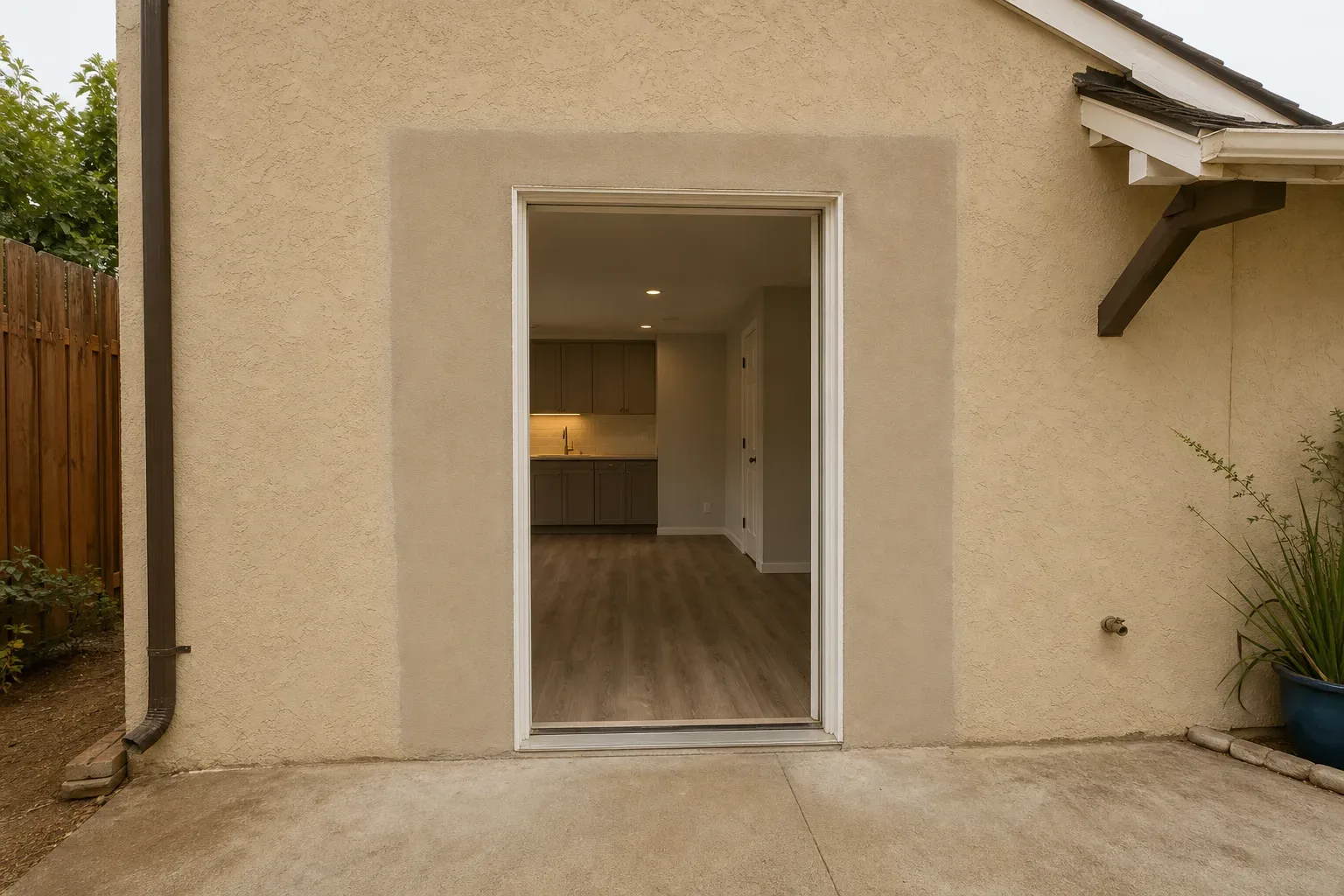
A JADU must include its own separate exterior entrance, a food preparation area (which can be as minimal as a sink, counter, and small cooking appliance), and either a private bathroom or shared access to the main home's bathroom. Those three features are what distinguish a JADU from simply a bedroom with a lock on the door.

Size Limits for JADUs in Los Angeles
The maximum size for a JADU in Los Angeles is 500 sq ft. That cap comes from California state law and applies city-wide, so no local variance can push a JADU above that threshold.
The minimum size is not fixed by a specific square footage floor, but the space must meet habitability standards, including adequate ceiling height, natural light, and ventilation. In practice, most JADU conversions fall in the 300–500 sq ft range, with smaller conversions often using a detached garage or an attached garage as the source space. Many single-car garages sit comfortably within that window and can serve as a compact studio-style JADU.
Which Spaces Can Be Converted Into a JADU
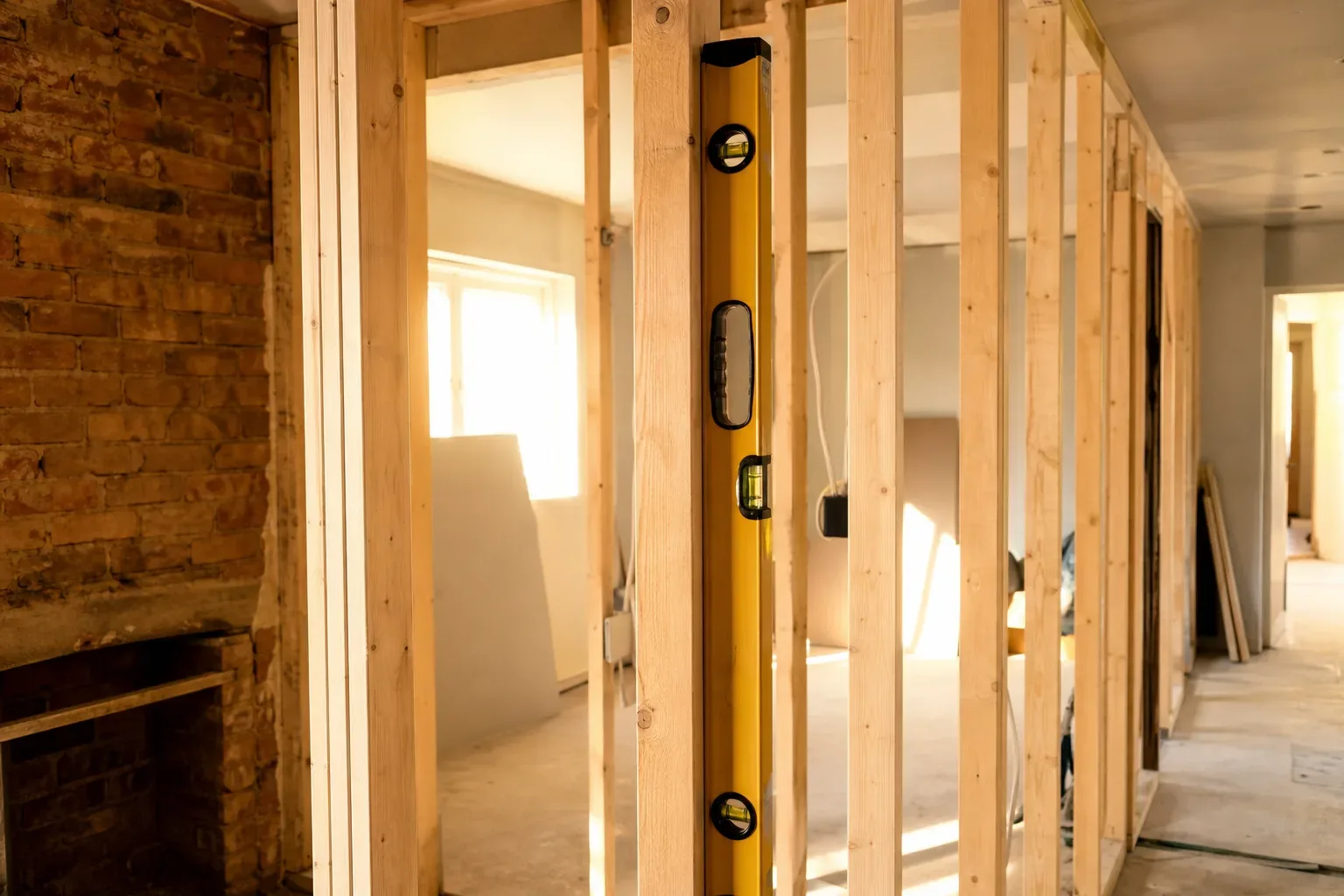
California law limits JADUs to conversions of existing habitable space within the walls of the primary dwelling, or within attached structures like an attached garage. A detached garage or backyard structure would qualify as a detached ADU, not a JADU, and falls under a different set of rules.
The most common source spaces in Los Angeles include:
- Attached garages, especially one-car garages connected directly to the main house
- Large master bedroom suites or ground-floor bedroom wings
- In-law suites and bonus rooms that already have some separation from the main living area
- Finished basement spaces that share the building envelope
If the space is already inside the home's footprint and under the existing roof, it is a strong candidate for a JADU conversion.
Owner-Occupancy Requirements
Los Angeles does not currently enforce an owner-occupancy requirement for JADUs. State law preempted local owner-occupancy rules, so you are not legally required to live on the property in order to rent out a JADU. That said, regulations in this area do evolve, and confirming the current status with the Los Angeles Department of Building and Safety (LADBS) before you proceed is a reasonable step.
This is a meaningful distinction from the rules that applied before state law changed. For years, many California cities required the property owner to occupy either the main unit or the JADU as a condition of approval. That requirement is no longer in force in Los Angeles, which makes JADUs more attractive to investors and owners who do not live on-site full time.
Permitting a JADU Through LADBS
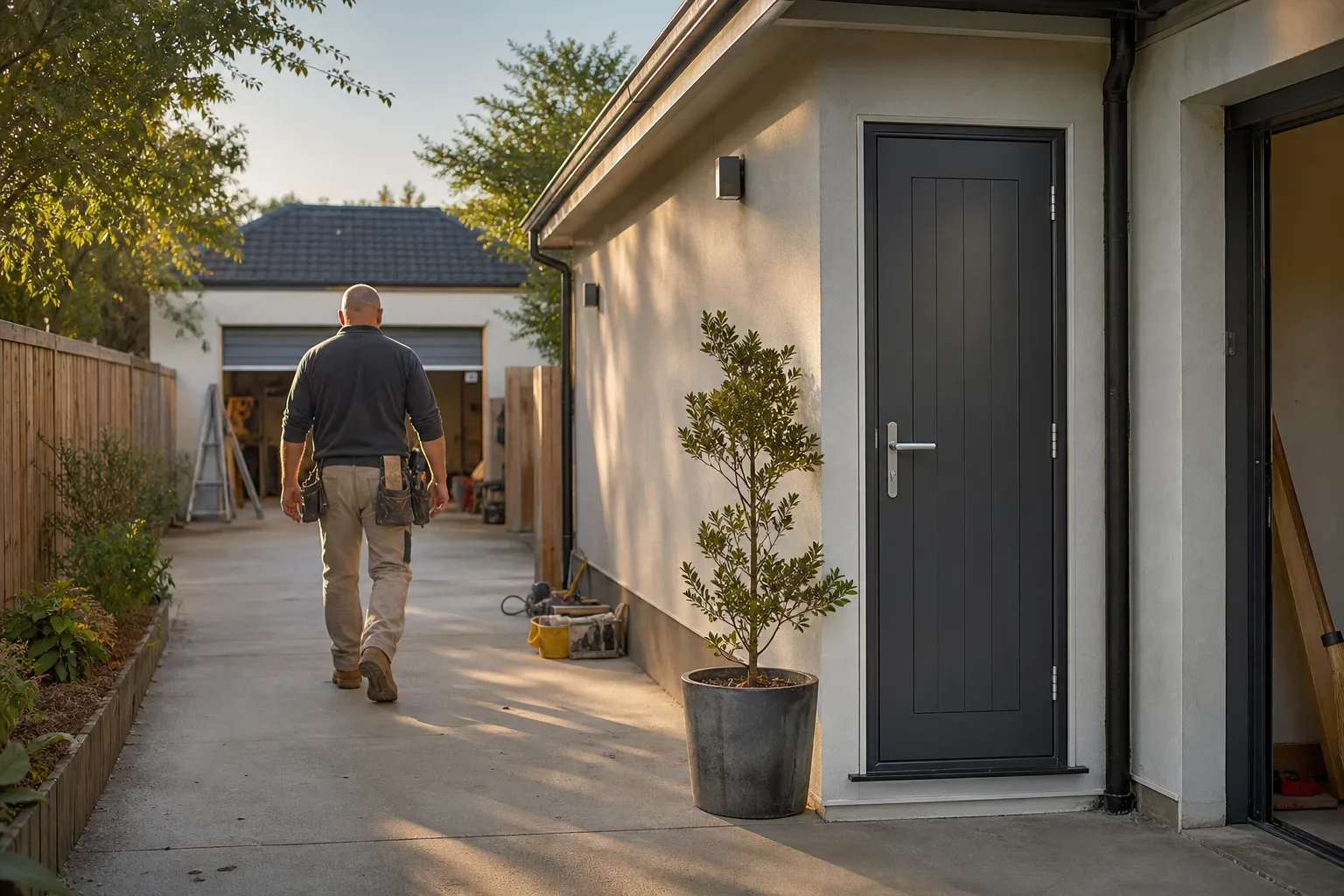
JADU projects go through LADBS for plan check and permit issuance. Because a JADU is an interior conversion rather than new construction, the permit process is typically simpler than a detached ADU build, but it is still a formal building permit process.
A typical JADU permit submittal includes architectural drawings showing the existing floor plan and the proposed conversion layout, a site plan, energy compliance documentation, and any structural calculations if walls are being modified. LADBS standard plan check review for ADU and JADU projects runs 4–12 weeks. If you use a pre-approved standard plan from the LADBS library, that window can shorten to 1–4 weeks.
Permit fees for a JADU conversion through LADBS generally land below those of a full detached ADU project, since there is less new construction involved. City of Los Angeles permit fees for ADU-related projects typically range from $10,000–$25,000 depending on scope, and JADUs under 750 sq ft are exempt from local agency impact fees under California state law.
JADU Conversion Costs in Los Angeles
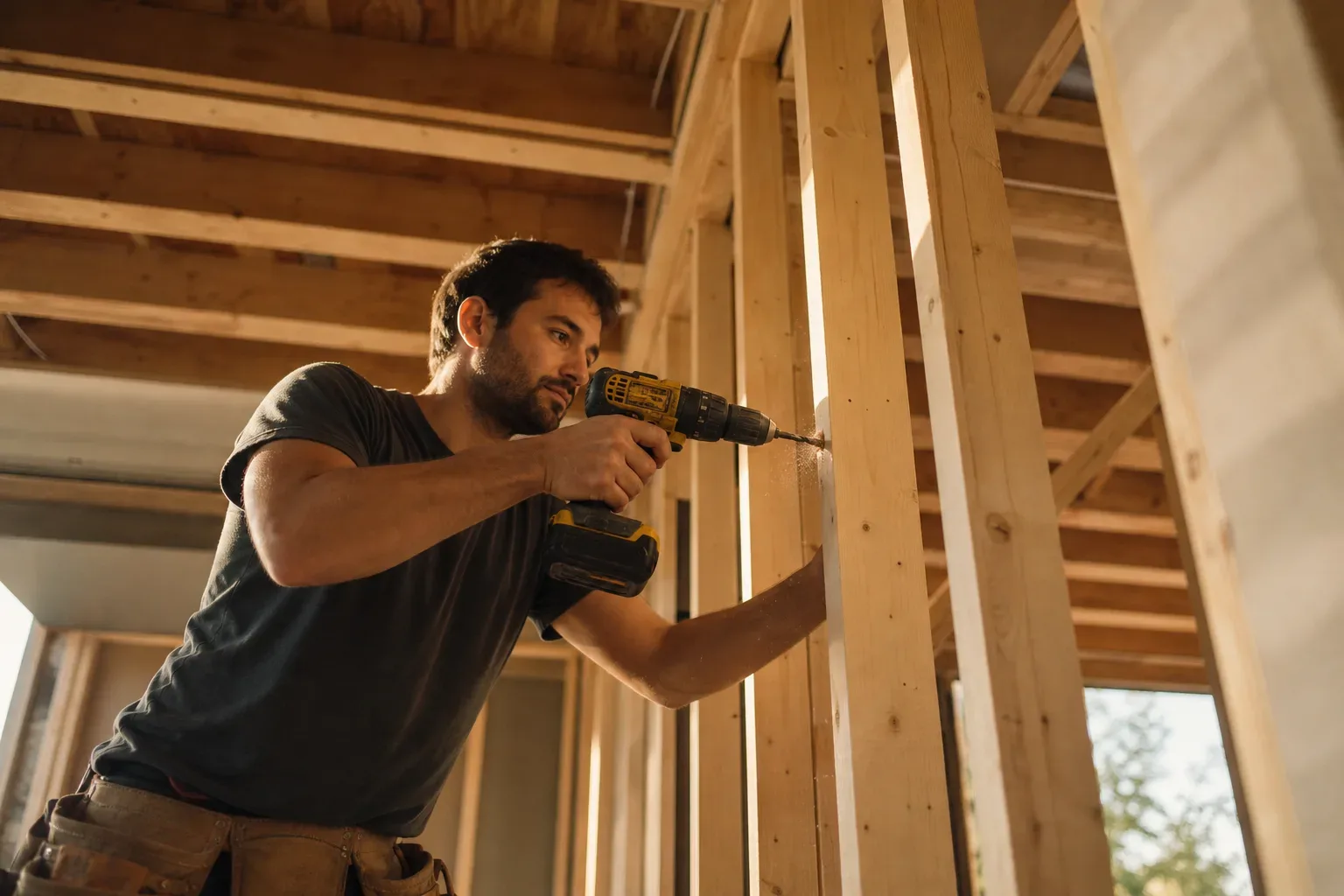
The total project cost for a junior ADU (JADU) conversion in Los Angeles typically runs $40,000–$80,000. That range covers design, permits, and construction for an interior conversion of existing habitable space. Costs land toward the lower end when walls remain largely intact and utilities are easy to extend. They push toward the higher end when the conversion requires significant electrical upgrades, new plumbing runs for a private bathroom, or structural modifications.
Design and architectural fees for a JADU are usually lower than for a full detached ADU build, often $8,000–$20,000 depending on complexity. Using pre-approved plans can bring that figure down further. The key cost driver in most JADU projects is plumbing: adding a wet kitchen and a bathroom to a space not previously plumbed adds meaningful labor and materials cost.
For comparison, a detached ADU in Los Angeles costs $150,000–$350,000 for a full 400–800 sq ft build, and a garage conversion ADU runs $80,000–$150,000. A JADU conversion is the lower-cost path precisely because it stays inside the existing envelope.
Rental Income and Return on Investment
A JADU in Los Angeles can generate $1,800–$3,500 per month in rental income, depending on neighborhood, size, and finish level. At the lower end of that range and assuming a $60,000 conversion cost, the gross payback period works out to roughly three to four years on rent alone, well inside the typical ADU payback estimate of 8–15 years.
JADUs are not always rented to strangers. Many owners in Los Angeles use them to house adult children, aging parents, or other family members, which removes the rental income calculation entirely but still adds long-term value to the property. The Los Angeles housing market consistently rewards additional legal dwelling units at resale.
Key Differences Between a JADU and a Detached ADU
Choosing between a JADU and a detached ADU comes down to your lot, your budget, and what you want the space to do.
| Factor | JADU | Detached ADU |
|---|---|---|
| Maximum size | 500 sq ft | 1,200 sq ft |
| Location | Inside existing structure | Separate structure on lot |
| Typical cost | $40,000–$80,000 | $150,000–$350,000 |
| Shared utilities | Often shared with main home | Fully independent |
| Privacy for occupant | Moderate | High |
A JADU makes sense when your home has underused interior space and your budget is constrained. A detached ADU gives the occupant more independence and can command higher rents, but requires a larger upfront investment and a site that can accommodate the setback and footprint requirements. The 4-foot minimum rear and side setback for detached ADUs rules out some smaller urban lots in Los Angeles, where a JADU inside the existing structure is the only practical option.
Frequently Asked Questions
What Is the Junior ADU Size Limit in Los Angeles?
The maximum size for a junior ADU (JADU) in Los Angeles is 500 sq ft. This cap is set by California state law and applies city-wide, with no local variance available to exceed it. Most JADU conversions fall in the 300–500 sq ft range.
Does Los Angeles Require Owner-occupancy for a JADU?
Los Angeles does not currently enforce an owner-occupancy requirement for JADUs. State law preempted local owner-occupancy rules, so you are not required to live on the property to rent out a JADU. Confirm the current status with LADBS before proceeding, as regulations can change.
How Much Does a JADU Conversion Cost in Los Angeles?
A JADU conversion in Los Angeles typically costs $40,000–$80,000 total, covering design, permits, and construction. Costs are lower when existing walls stay intact and utilities are easy to extend, and higher when new plumbing or structural changes are needed.
How Long Does JADU Permitting Take Through LADBS?
Standard LADBS plan check review for a JADU runs 4–12 weeks. Using a pre-approved standard plan from the LADBS library can shorten that to 1–4 weeks. The permit process is simpler than a full detached ADU build because a JADU is an interior conversion, not new construction.
What Spaces in a Home Can Be Converted Into a JADU?
A JADU must be created from existing space within the primary dwelling or an attached structure like an attached garage. Common candidates include attached garages, large bedroom suites, in-law suites, bonus rooms, and finished basement spaces that share the home's building envelope.